Flashcard Font: A Playful Tool for Bold Design
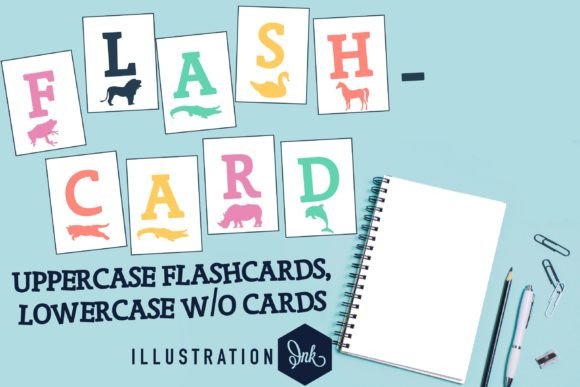
Fonts play a crucial role in how we communicate visually. Whether you're designing a website, creating marketing materials, or putting together educational content, the right typography can make all the difference. Flashcard is a unique display font that stands out with its blocky serif style and playful uppercase letters featuring built-in animal flashcards. This distinctive design offers both visual flair and functional appeal, making it an intriguing option for various creative needs.
What Makes Flashcard Special?
Flashcard blends form and function in a way few fonts do. Its bold, blocky serifs give it a strong presence, while the uppercase characters are designed to resemble traditional flashcards — but with a twist. Each letter features an embedded animal illustration, making it ideal for projects that benefit from whimsical yet professional aesthetics. The lowercase version lacks these illustrations, offering a more conventional look when needed.
This dual-style approach allows users to mix and match uppercase and lowercase letters creatively. For instance, using the illustrated uppercase for headers and the standard lowercase for body text adds depth and interest to any layout without overwhelming the reader. Flashcard is not just about looks; it’s about adding character and personality to your designs in a way that feels intentional and engaging.
Beginners Looking for Fun Typography
If you're new to design, Flashcard can be a great way to experiment with typographic creativity. The animal illustrations in the uppercase letters help break the monotony of standard text and provide a fun element to your work. It's especially useful for beginners working on personal projects like greeting cards, social media posts, or simple websites where visual appeal is key but technical complexity is low.
Example: A beginner blogger might use Flashcard to add eye-catching headings to their nature-themed blog. The animal icons could reinforce the theme and make each post feel more personalized and engaging.
Professionals Wanting Unique Branding
For professionals such as marketers, entrepreneurs, or small business owners, branding is everything. Flashcard provides a unique opportunity to stand out from competitors by incorporating playful visuals into otherwise clean and readable layouts. When used sparingly, the font can enhance brand identity without detracting from professionalism.
Example: An eco-friendly product line might use Flashcard in promotional materials to highlight key words like "Nature," "Wildlife," or "Sustainability." The animal flashcards align perfectly with the brand message and create memorable visual associations.
Creators Seeking Visual Versatility
Designers, illustrators, and digital artists often look for tools that allow them to express their creativity uniquely. Flashcard fits this need by offering a blend of typographic structure and artistic flair. Its uppercase letters act as mini illustrations, enabling creators to build entire compositions using only text elements.
Example: A graphic designer could use Flashcard to create a children’s book cover with minimal additional artwork. The animals in the uppercase letters serve as visual accents that complement the story’s tone and theme.
Educators Creating Engaging Learning Materials
Educators always seek ways to make learning more interactive and enjoyable. Flashcard's built-in animal illustrations can be particularly effective in early childhood education, language learning, or alphabet-based activities. The font helps transform ordinary text into a teaching tool that captures attention and sparks curiosity.
Example: A kindergarten teacher might print out Flashcard letters as part of a classroom activity where students learn the alphabet by identifying the corresponding animal. The font turns text into a tangible learning experience.
Bloggers and Content Creators Enhancing Readability and Style
Blogging and content creation require striking a balance between readability and style. Flashcard’s uppercase characters offer a fresh way to highlight important sections or keywords, while the lowercase ensures smooth reading in longer passages. This makes it suitable for headers, pull quotes, or section titles in articles or web pages.
Example: A lifestyle blogger could use Flashcard to emphasize tips or takeaways in a listicle format. The playful visuals would draw readers' eyes to key points without sacrificing clarity.
For Creativity and Presentation
Flashcard excels in environments where creativity is valued. Its unique design allows users to present information in a visually stimulating manner. If your goal is to create something memorable or shareable, Flashcard can help elevate your project beyond the ordinary.
For Ease of Use and Flexibility
Despite its unconventional features, Flashcard remains easy to use. Most design software supports custom fonts, so integrating Flashcard into your workflow doesn’t require advanced technical skills. You can also pair it with other fonts to maintain contrast and hierarchy in complex layouts.
For Long-Term Use and Commercial Value
While Flashcard may not be suitable for every project, it has long-term value in niche areas where its visual characteristics align with the message. For commercial use, ensure the font license permits usage for your intended purpose. Many designers appreciate having a versatile asset like Flashcard in their toolkit for special occasions or branded campaigns.
Real-World Applications of Flashcard
- Children’s Products: Use Flashcard for labels, packaging, or educational toys where its animal illustrations can delight young audiences.
- Marketing Campaigns: Highlight key phrases in advertisements or posters to create a playful yet professional tone.
- Event Invitations: Add charm to invitations or announcements by using Flashcard for titles or themed words.
- Infographics and Charts: Incorporate Flashcard to label sections or categories in data-driven presentations, especially those related to nature, wildlife, or education.
When Flashcard Might Not Be Right for You
Though Flashcard has many strengths, it's not a one-size-fits-all solution. Its decorative nature means it may not be appropriate for body text or formal documents where readability is paramount. Similarly, if your project requires strict adherence to minimalist or corporate styles, Flashcard’s playful aesthetic could clash with the overall design direction.
Tip: Always consider the context before choosing a font. Ask yourself whether the visual elements will support or distract from your message.
How to Get Started with Flashcard
- Download the Font: Look for Flashcard on trusted font marketplaces or websites that specialize in display typefaces.
- Install the Font: Follow your operating system’s instructions to install the font locally or via online platforms like Google Fonts (if available).
- Experiment with Combinations: Try mixing Flashcard’s uppercase and lowercase letters in different parts of your design to find what works best.
- Pair Thoughtfully: Combine Flashcard with simpler, sans-serif or serif fonts to maintain balance and readability.
- Test in Context: Apply the font to your actual project layout to see how it performs under real conditions.
Final Thoughts
Flashcard is more than just a font — it’s a design feature that brings life to letters. Whether you’re an educator looking for interactive tools, a marketer aiming to create a memorable campaign, or a hobbyist experimenting with typography, Flashcard offers something special. By understanding its strengths and limitations, you can determine whether it aligns with your creative goals and project needs.