Bookcase: A Versatile Display Font for Creative and Professional Use
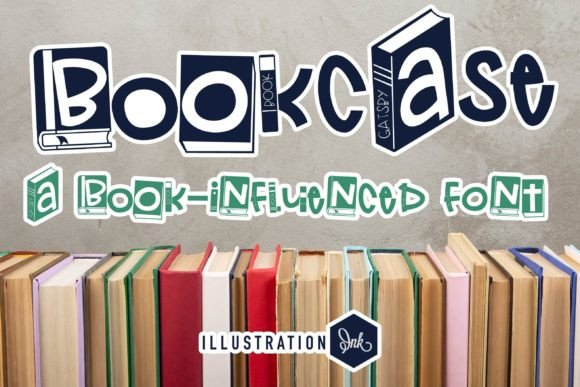
If you're looking to add a touch of personality, creativity, or thematic flair to your design projects, Bookcase is a font that stands out with its unique concept and practical appeal. Designed as a fun sans serif display typeface, Bookcase transforms letters into book spines and shelves, making it an ideal choice for those who love literature, typography, or anything in between.
What Makes Bookcase Unique?
The standout feature of Bookcase is its clever integration of book-related imagery into the letterforms. Each character resembles a row of books stacked neatly on a shelf, creating a whimsical yet structured visual effect. This makes the font instantly recognizable and thematically rich—perfect for conveying a sense of knowledge, culture, or storytelling.
As a sans serif font, Bookcase maintains a modern and clean appearance despite its intricate design. The absence of small projecting features (serifs) ensures readability at larger sizes, which is especially important for display use. Its playful nature doesn't compromise legibility, striking a balance that appeals to both designers and end users.
Key Characteristics of Bookcase
- Thematic Design: Letters mimic stacks of books, offering a fresh take on traditional typography.
- High Contrast: The bold lines and defined shapes help each character pop against backgrounds.
- Optimized for Display: Best suited for headlines, logos, titles, and other large-scale text rather than body copy.
- Versatile Style: Combines professionalism with a hint of charm, adaptable to various industries and aesthetics.
Practical Uses Across Industries
Bookcase's distinctive style opens up a wide range of applications across different fields. Here are some real-world scenarios where this font can shine:
Graphic Design and Branding
For graphic designers working on branding materials for literary magazines, publishing houses, or academic institutions, Bookcase offers a creative edge. It adds a subtle layer of meaning to the design without being overly distracting. For instance, using Bookcase in a bookstore logo immediately communicates the brand’s focus while standing out from more conventional fonts.
Digital Content Creation
Content creators, especially those in niches like book reviews, reading challenges, or educational YouTube channels, can leverage Bookcase to enhance their visual storytelling. When used in thumbnails or headers, it grabs attention and reinforces the theme of the content. Imagine a video titled "Top 10 Must-Read Classics" with the title in Bookcase—it instantly feels more engaging and relevant to the topic.
Presentations and Slide Decks
Whether presenting at a conference or delivering a lecture, the right font can make a significant difference. Bookcase can be used to highlight key points or section titles, especially when the presentation revolves around literature, education, or intellectual topics. Just be sure to pair it with simpler, more readable fonts for the body text to maintain clarity.
Crafts and Print Projects
Hobbyists and DIY enthusiasts often seek fonts that bring a personal touch to handmade items. Greeting cards, scrapbooks, and invitations for book-themed events benefit greatly from Bookcase’s charm. It adds a tactile, almost nostalgic feel to print materials, making them visually memorable and thematically consistent.
Educational Materials
Teachers and educators can incorporate Bookcase into classroom posters, library signage, or reading program flyers. The font’s association with books naturally supports learning environments and encourages engagement with literacy-based activities. However, it should only be used sparingly in such contexts due to its display-only nature.
Web and App Design
In digital interfaces, Bookcase can serve as an eye-catching header or button text for websites related to publishing, online libraries, or e-learning platforms. While not recommended for long paragraphs or menus, it works well for call-to-action elements and decorative headings that need to stand out. Always consider accessibility guidelines and contrast ratios when implementing it on websites.
Why Choose Bookcase?
Choosing the right font goes beyond aesthetics—it's about aligning with your message and audience. Bookcase brings several benefits to the table:
- Memorable Visual Identity: Its book-inspired structure makes it easy to recall and visually distinct.
- Enhanced Engagement: In marketing or social media content, it helps capture the attention of readers interested in literature or themed visuals.
- Brand Differentiation: Using Bookcase can set your brand apart in competitive markets by adding a unique typographic element.
- Flexibility in Application: From print to digital, it adapts well to different mediums when used appropriately.
One of the most appealing aspects of Bookcase is how it subtly conveys a message through form. Instead of just displaying words, it tells a story about what they represent—knowledge, curiosity, and tradition.
Real-World Examples
- Event Invitations: A "Reading Night at the Library" event poster uses Bookcase for the main title, drawing in attendees with a warm, familiar look.
- Podcast Titles: A podcast focused on classic novels might use Bookcase in its artwork to create a cohesive and thematic identity.
- Product Packaging: A stationery line targeting bibliophiles could include Bookcase in product names or taglines to reinforce the brand’s literary connection.
How to Use Bookcase Effectively
To get the most out of Bookcase, consider these best practices:
- Limit Usage: Since it's a display font, avoid using it for long blocks of text. Reserve it for headlines, titles, and accents.
- Pair Thoughtfully: Combine it with a clean, minimalist font for body text to maintain readability and balance.
- Consider Context: Ensure that the font aligns with the tone and purpose of your project. It works better for casual or thematic content than formal reports or legal documents.
- Test Legibility: Before finalizing any project, review how Bookcase looks at different sizes and distances. Sometimes the illusion of stacked books can reduce clarity if not properly scaled.
When evaluating whether Bookcase is the right fit, think about the emotional impact you want to create. Does the font evoke warmth, nostalgia, or creativity? If yes, it may be worth experimenting with in your next project.
Where to Find and Download Bookcase
Bookcase is available on popular font marketplaces such as Google Fonts, Adobe Fonts, and independent platforms like Creative Market or Font Squirrel. Before downloading, always check licensing agreements to ensure compliance, especially if you're using it for commercial purposes.
Some platforms offer free versions of Bookcase with limited character sets, while full licenses may be required for extended use. As a designer or creator, it's essential to understand the terms of use to protect yourself and your clients legally.
Tips for Selecting the Right Font Platform
- Look for platforms that provide high-quality .otf or .ttf files for crisp rendering.
- Check if the font supports international characters if you're designing for a global audience.
- Compare pricing models—some platforms charge per user or per project, others offer one-time purchases.
Final Thoughts on Typographic Creativity
In the ever-evolving world of design, having access to unique fonts like Bookcase allows you to explore new ways of expressing ideas. It’s not just about choosing something different; it’s about finding a font that resonates with your message and enhances your communication.
While it may not replace your go-to sans serif for daily tasks, Bookcase has the potential to become a valuable addition to your typographic toolkit. Whether you’re crafting a heartfelt greeting card or building a brand identity for a literary startup, the right font can make all the difference.
So next time you're brainstorming a project and want to infuse a little creativity into your text, give Bookcase a try. You might just find a new favorite that brings your designs to life in unexpected ways.