Fascination Display Font: A Unique Choice for Creative Projects
Fonts play a crucial role in the visual impact of any design project, from branding and marketing materials to editorial layouts and digital content. Choosing the right typeface can elevate your work from good to exceptional. Among the many display fonts available today, Fascination stands out as a distinctive option that offers both aesthetic appeal and functional versatility. This article explores what makes Fascination special, how it compares with other display fonts, and when it might be the best fit for your creative needs.
What Is Fascination?
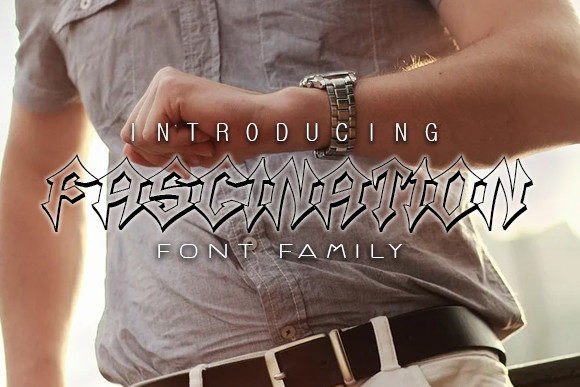
Fascination is a display font known for its elegant curves, intricate details, and artistic flair. Designed to capture attention, it combines fluidity with a sense of sophistication, making it ideal for use in headlines, logos, posters, and other eye-catching applications. The font's unique character set includes ligatures and alternate glyphs, giving designers more creative freedom to tailor their projects. Its blend of ornate and modern elements sets it apart from more traditional or minimalist display fonts.
Key Features of Fascination
- High Contrast: Fascination features strong contrast between thick and thin strokes, which enhances readability at larger sizes while maintaining an artistic feel.
- Open Apertures: The font has generous spacing and open letterforms, making it well-suited for designs where clarity is essential despite its decorative nature.
- Alternate Characters: It comes with multiple stylistic sets, allowing for subtle variations in tone and personality depending on the project’s requirements.
- Cross-Platform Compatibility: Available in various formats, including OpenType and TTF, Fascination works seamlessly across different operating systems and software platforms.
When to Use Fascination
Fascination shines in contexts where visual impact is key. It is particularly effective in the following scenarios:
- Branding and Logo Design: The font’s uniqueness makes it perfect for creating memorable brand identities. Its stylized characters help convey a sense of creativity and individuality.
- Event Posters and Invitations: Whether you're designing for a wedding, gala, or product launch, Fascination adds a touch of elegance and intrigue that draws the viewer in.
- Editorial Headlines: In magazines, blogs, or brochures, this font can be used to highlight titles and pull quotes without overwhelming the surrounding text.
- Digital Content and Social Media: Its bold presence works well in online environments where grabbing attention quickly is important, such as Instagram banners or YouTube thumbnails.
Strengths of Fascination
The primary strength of Fascination lies in its ability to stand out. Unlike generic sans-serif or serif fonts, it brings a level of artistry that can transform a simple headline into a compelling focal point. Additionally, the inclusion of stylistic alternates allows for greater customization without requiring separate font purchases or downloads. This makes it a cost-effective choice for designers who want to add variety to their work without cluttering their font library.
Tradeoffs and Limitations
While Fascination excels in certain areas, it may not be suitable for every project. Here are some considerations to keep in mind:
- Not Ideal for Long Text: As a display font, Fascination is best used for short bursts of text rather than large blocks of body copy. Its ornate style can become distracting if overused.
- May Require High Resolution: Because of its detailed design, Fascination performs best in high-resolution formats. Using it in low-quality outputs could compromise its visual appeal.
- Learning Curve for Customization: The multiple stylistic options offer flexibility but may require some time to learn how to use effectively within design software like Adobe Illustrator or Photoshop.
Best-Fit Situations
Fascination is most effective when used strategically. For instance, pairing it with a clean, readable sans-serif font in a poster design creates a balanced composition. It also works exceptionally well in print media such as invitations and packaging, where the tactile quality of the paper can enhance the font's visual richness. In web design, it can serve as a hero font for website headers or call-to-action buttons, provided the site supports custom fonts and performance isn’t compromised by file size.
How Fascination Compares to Other Display Fonts
Display fonts vary widely in style and application, so understanding how Fascination fits into this landscape is essential. Let’s look at a few comparisons:
Fascination vs. Script Fonts
Script fonts often mimic handwriting and can appear cursive or flowing. While they are great for adding a personal or luxurious touch, they tend to lack the structural balance found in Fascination. If your goal is to maintain legibility while still achieving a stylish look, Fascination provides a middle ground between script fonts and more rigid display styles.
Fascination vs. Decorative Fonts
Decorative fonts prioritize visual appeal over functionality, often featuring exaggerated shapes or symbols. These fonts can be beautiful but challenging to read. Fascination, on the other hand, maintains a clear structure even with its artistic embellishments, offering a more versatile option for professional use.
Fascination vs. Modern Display Fonts
Many contemporary display fonts lean towards geometric shapes and minimalism. They are excellent for tech-savvy brands or modern aesthetics. However, Fascination introduces a more expressive and dynamic element that can give a project a humanized, artisanal feel. If your design needs to convey warmth and creativity, Fascination may be preferable to these sleeker alternatives.
Alternatives to Consider
If Fascination doesn’t align perfectly with your project, there are several alternatives worth exploring. Each has its own strengths and limitations:
- Calligraphy-Inspired Fonts: These fonts offer similar elegance but with a more handwritten appearance. They’re great for luxury branding or artistic projects but may not suit all audiences.
- Geometric Sans-Serifs: Fonts like Bebas Neue or Montserrat provide a sharp, modern edge. They’re highly readable and perform well in both print and digital settings.
- Classic Serif Displays: Options such as Playfair Display or Cinzel bring a timeless charm. They are excellent for formal events or vintage-inspired designs but may not offer the same level of originality as Fascination.
Choosing Between Alternatives
Selecting the right display font depends largely on the message you want to communicate. Fascination is ideal for projects seeking to make a statement through typography—think boutique branding, event promotions, or high-end packaging. On the other hand, geometric or classic serif displays might be better suited for more straightforward messaging or minimalist design palettes. Consider your audience and context before deciding.
Real-World Examples of Fascination in Use
Understanding how a font functions in practice can help determine its suitability for your work. Here are a few real-world examples:
- A fashion brand uses Fascination for its logo and social media posts, reinforcing its identity as innovative and avant-garde.
- An art gallery incorporates the font in promotional posters, using its fluid lines to echo the brushstrokes of the featured artists.
- A lifestyle blog highlights key sections of its homepage with Fascination, drawing readers’ eyes to featured articles without overwhelming them.
In each case, the font was chosen based on the project’s need for visual distinction. Its adaptability allowed it to complement both color schemes and imagery while remaining true to the overall design intent.
Decision Factors for Selecting Fascination
To decide whether Fascination is the right choice for your project, consider the following factors:
- Tone and Personality: Does the font’s style reflect the mood you want to create? Fascination is expressive and can suggest creativity, sophistication, or whimsy.
- Readability Requirements: If the text must be easily read at a glance, ensure the font is used in appropriate sizes and weights.
- Project Scope: Will the font be used in one area or throughout the entire design? Fascination is best reserved for accents and highlights rather than full paragraphs.
- Technical Constraints: Can your platform support custom fonts? If not, consider whether the benefits outweigh potential issues like loading speed or compatibility.
Why Fascination Might Not Be Right for You
Despite its advantages, Fascination may not be the best fit for everyone. If your design requires a neutral or highly legible font, especially for long-form reading, you’ll likely find more suitable options in sans-serif or serif categories. Similarly, if you're working under strict brand guidelines that favor consistency over creativity, the unique characteristics of Fascination might not align with those standards. Always evaluate the font against the specific needs of your project.
Conclusion
Fascination is a cool and unique display font that can significantly enhance the visual appeal of your design projects. Its combination of elegance and expressiveness makes it a standout choice for branding, event design, and editorial work. However, like any specialized font, it comes with tradeoffs, particularly around readability and technical implementation. By comparing it with other display fonts and considering your project’s goals, you can determine whether Fascination is the right asset for your font library.