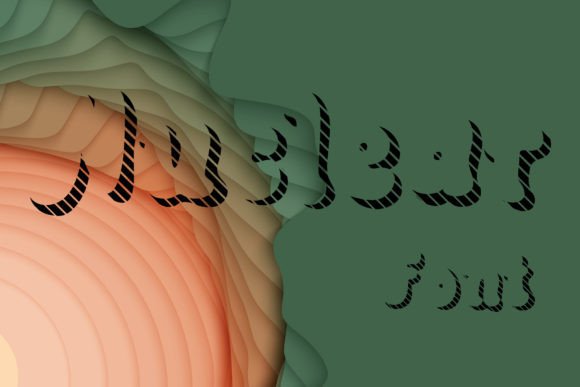
Lightspeed Font: A Modern Display Choice for Creative Projects
When it comes to making a visual impact, the right font can be the difference between a design that blends in and one that stands out. Lightspeed, a modern and cool display font, has quickly become a favorite among designers and content creators looking to add an original touch to their work. With its sleek curves, dynamic structure, and bold presence, Lightspeed is more than just a typeface—it’s a statement.
What Makes Lightspeed Unique?
Unlike many standard fonts that are optimized for readability in body text, Lightspeed is designed specifically for display purposes. It shines brightest when used in larger sizes, such as headlines, titles, logos, and posters. Its character set features open apertures and smooth transitions, giving it a clean yet energetic appearance. The font balances professionalism with creativity, making it suitable for both high-end branding and casual design projects.
One of the standout qualities of Lightspeed is its versatility. While it carries a futuristic edge, it also maintains enough elegance to complement a variety of styles—from minimalist layouts to vibrant, colorful designs. This makes it a go-to option for professionals who want something contemporary without sacrificing clarity or sophistication.
Key Characteristics of Lightspeed
- Modern Aesthetic: The font embodies current design trends with its geometric shapes and fluid lines.
- High Legibility at Large Sizes: Ideal for headlines, banners, and signage where attention-grabbing is key.
- Wide Character Set: Includes uppercase, lowercase, numerals, punctuation, and special characters, ensuring it works across multiple languages and applications.
- Scalable Design: Maintains crispness and clarity whether used on digital screens or printed materials.
Practical Applications Across Industries
The adaptability of Lightspeed means it can find a home in various fields. Here’s how different industries are leveraging this font to enhance their communication and branding efforts:
Branding and Marketing
For businesses aiming to establish a strong brand identity, using a distinctive font like Lightspeed can make a significant difference. Whether you're designing a logo, a product label, or a marketing brochure, this font adds a sense of innovation and confidence. For example, tech startups often use similar display fonts to convey speed, efficiency, and forward-thinking values—qualities that Lightspeed naturally embodies.
Creative Projects and Design
Graphic designers love working with display fonts because they allow for creative freedom. Lightspeed fits perfectly into poster design, event invitations, social media graphics, and even book covers. Its bold nature ensures that your message commands attention, while its subtle details offer depth and interest. When paired with the right color palette and imagery, it can elevate a simple layout into a visually compelling piece.
Education and Presentations
In educational settings, from classroom presentations to e-learning platforms, the choice of font can influence how information is received. Lightspeed isn’t typically recommended for long passages of text, but it excels in title slides, infographics, and visual aids. Its clear form helps emphasize key points without overwhelming the viewer, which is essential for effective learning environments.
Digital Content and Web Design
On websites and blogs, headings play a crucial role in guiding readers through content. Lightspeed offers a fresh alternative to overused sans-serif or serif fonts, especially for niches like technology, fashion, or entertainment. Used sparingly, it can serve as a powerful stylistic element that enhances user experience by breaking up dense blocks of text and drawing the eye to important sections.
Commercial Use and Print Media
Printed materials such as business cards, packaging, and advertising flyers benefit greatly from a well-chosen display font. Lightspeed’s unique look ensures that your printed collateral doesn’t get lost in a sea of generic typefaces. Its performance in print is exceptional, particularly when paired with high-quality paper and ink, allowing for rich textures and deep contrast.
Why Choose Lightspeed Over Other Fonts?
There are countless display fonts available today, but few combine style and functionality as seamlessly as Lightspeed. One of the reasons it stands out is its ability to maintain legibility while still offering a bold personality. Many display fonts sacrifice readability for flair, but Lightspeed manages to walk the fine line between the two.
Additionally, Lightspeed supports a broad range of weights and styles, if available, which gives designers flexibility when crafting layered compositions. You can use it in a monochrome scheme for a clean, professional feel or experiment with gradients and outlines for a more artistic presentation.
Real-World Examples of Lightspeed in Action
Consider a scenario where a boutique coffee shop wants to redesign its storefront signage. Traditional fonts might come off as boring or too formal. By choosing Lightspeed, the shop can project a trendy, youthful vibe that appeals to its target demographic. The font's openness and sharp angles give the sign a modern edge, encouraging passersby to take notice.
Another example could be a blogger launching a new website focused on personal development. Using Lightspeed for section headers and call-to-action buttons introduces a sense of momentum and motivation—perfect for the theme. It also helps differentiate the blog from competitors who may rely on more conventional typography choices.
Best Practices for Using Lightspeed Effectively
To ensure that Lightspeed enhances rather than hinders your design, consider these best practices:
- Use Sparingly: Since it's a display font, reserve it for headlines, logos, and short phrases. Avoid using it for large blocks of text.
- Pair Thoughtfully: Combine it with complementary fonts for body copy. A classic serif or a clean sans-serif can balance its boldness effectively.
- Test in Different Contexts: Before finalizing your design, check how Lightspeed looks across various devices and mediums. Ensure it remains legible and aesthetically pleasing in all formats.
- Experiment with Color and Effects: Lightspeed responds well to creative treatments like drop shadows, gradients, and embossing. These effects can help highlight important elements without compromising readability.
Considerations for Commercial Implementation
If you're planning to use Lightspeed in a commercial setting, it's essential to verify licensing terms. Some display fonts have restrictions regarding usage in products intended for resale. Always review the font's license agreement to avoid legal complications later down the line.
Also, keep in mind the cultural and contextual relevance of your font choice. While Lightspeed is universally appealing, it may not fit every brand’s tone or audience. Testimonials and feedback from users can guide you in determining if it aligns with your goals.
Final Thoughts on Typography and Branding
Typography is a critical component of visual communication. Choosing a font like Lightspeed allows you to express your brand’s identity clearly and creatively. As we continue to see the rise of bold, expressive typefaces in both digital and physical spaces, having access to a font that stands out becomes increasingly valuable.
Whether you’re a designer, marketer, educator, or entrepreneur, the right font can transform your message. Lightspeed offers a stylish yet functional solution for those seeking to innovate their typographic choices. Just remember to apply it thoughtfully and strategically to maximize its impact.
Where to Find and Try Lightspeed
If you're curious about integrating Lightspeed into your next project, start by searching for it on reputable font marketplaces like Adobe Fonts, Google Fonts, or Typekit. Many platforms offer free trials or sample texts to help you evaluate how it works for your specific needs. Once you’ve downloaded or licensed the font, test it in your preferred design software before finalizing any project.