Like a Flash: The Display Font That Makes an Impact
When it comes to making your designs stand out, typography plays a key role. One font that has been turning heads in the design community is Like a Flash. This bold and assertive display font is more than just another typeface—it’s a statement. With its high contrast, dynamic strokes, and commanding presence, Like a Flash can bring energy and personality to any project. Whether you're crafting a logo, designing a poster, or adding flair to a digital ad, this font could be the spark your work needs.
What is Like a Flash?
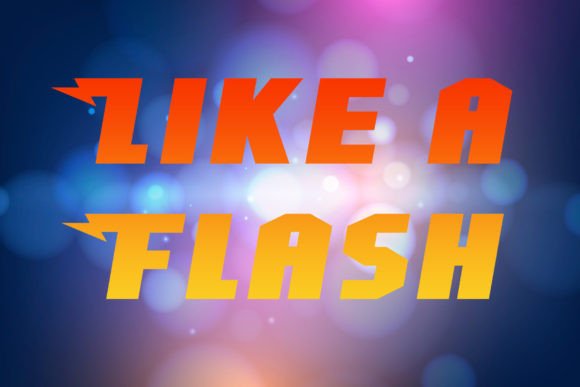
Like a Flash is a modern display font known for its sharp angles, dramatic weight shifts, and eye-catching style. Unlike standard fonts used for body text, display fonts like this one are specifically designed for headlines, titles, and other prominent visual elements. Its name says it all—this font cuts through the noise with the speed and clarity of lightning. It’s not subtle, but that's by design. It's made to draw attention and create a lasting impression.
Who Can Benefit from Using Like a Flash?
- Graphic designers: Looking for a way to make their clients' messages pop? Like a Flash gives them a tool to craft bold, memorable visuals without overcomplicating the layout.
- Marketing professionals: From social media posts to event banners, Like a Flash adds urgency and excitement to promotional materials.
- Entrepreneurs and small business owners: A strong brand identity often starts with the right font. Like a Flash helps businesses establish a powerful first impression.
- Content creators: Whether on YouTube thumbnails, Instagram stories, or TikTok videos, Like a Flash makes titles stand out in a crowded feed.
Real-World Uses for Like a Flash
Display fonts thrive in situations where they can command attention quickly. Here are some real-world scenarios where Like a Flash shines:
Event Branding and Posters
Planning a music festival, product launch, or sports event? Your posters and flyers need to grab people’s attention at a glance. Like a Flash works especially well in these contexts because it doesn’t require much reading—just looking. Its high contrast and large x-height make it legible even from a distance, while its edgy character set gives it a unique vibe. Try using it for event names or taglines to create a sense of movement and anticipation.
Logo Design
A logo is often the first thing customers see when encountering a brand. If you're designing for a company that wants to exude confidence, innovation, or rebellion, Like a Flash could be a perfect fit. It’s not the best choice for every brand, but for those aiming to break the mold and leave a mark, it’s hard to beat. Just keep in mind that logos often need to be scalable and clear across various mediums—so test how Like a Flash looks on both large billboards and small business cards before finalizing it as part of a brand identity.
Apparel and Merchandise
Clothing brands, especially those in streetwear or sportswear, often rely on striking typography to communicate their message. Like a Flash is ideal for t-shirt prints, hoodies, or hats where the font needs to be bold and expressive. Its versatility allows it to look great in both color and black-and-white applications, which is important when printing on different fabric types or colors. However, if the garment features a lot of text, consider pairing it with a simpler font to avoid overwhelming the viewer.
Digital Advertising
In online marketing, every pixel counts. Advertisements have to load fast and deliver a message instantly. Like a Flash is a go-to option for headlines in banner ads, social media promotions, and website headers. It’s particularly effective for campaigns targeting younger audiences who respond well to energetic and contemporary visuals. But remember, readability is still key—even in a flashy font. Make sure the background and color choices complement the font to maintain clarity and impact.
Editorial Design and Titles
Magazines, newspapers, and blogs sometimes use display fonts for feature articles or special sections. Like a Flash can add drama to a cover story title or highlight a section about breaking news. In print or web-based formats, it helps differentiate content visually and guides readers toward what’s most important. However, it’s not suitable for long paragraphs or footnotes—stick to it for short bursts of impactful text.
How Different Audiences Respond to Like a Flash
The same font can evoke different reactions depending on the audience. For example, teens and young adults may find Like a Flash exciting and trendy, while older demographics might perceive it as too aggressive or difficult to read. Always consider your target audience before choosing this font. If you’re creating something for a high-energy demographic, such as gaming, music, or fashion, Like a Flash is likely to resonate. On the other hand, for corporate reports or formal invitations, it may not be the best match.
Industry-Specific Applications
- Fashion: Use Like a Flash for runway show titles or clothing tags to reflect a bold, modern aesthetic.
- Technology: Highlight new product launches or app features with a font that feels cutting-edge and forward-thinking.
- Entertainment: Movie posters, concert flyers, and game trailers benefit from Like a Flash’s intense visual appeal.
- Education: While less common, it can be used creatively for workshop announcements or youth-oriented learning materials.
Practical Tips Before Choosing Like a Flash
Before you dive into using Like a Flash, here are a few things to consider:
- Legibility: Although it’s designed for impact, ensure it remains readable. Avoid using it in small sizes or complex layouts where it could become distracting.
- Color Contrast: Pair it with light or dark backgrounds that enhance its boldness. Test combinations to see what reads best and feels most visually balanced.
- Spacing and Kerning: Because of its dramatic shapes, Like a Flash may need some fine-tuning to look polished. Adjust letter spacing carefully to avoid overcrowding or awkward gaps.
- Font Licensing: Confirm whether Like a Flash is appropriate for your intended use (commercial, personal, etc.) and ensure you comply with licensing agreements.
Combining Like a Flash with Other Fonts
Like a Flash doesn’t always have to be the only font in your design. It can work well as a headline paired with a minimalist sans-serif or serif font for supporting text. The contrast between Like a Flash and a simple secondary font can help guide the reader’s eye and balance the overall composition. Think of it as the star of the show, supported by subtler characters in the background.
Strengths and Limitations of Like a Flash
No font is perfect for every situation, and Like a Flash is no exception. Let’s take a closer look at its pros and cons:
Strengths
- High visibility and impact in headlines and titles.
- Modern, edgy look that aligns well with creative and youthful industries.
- Clear differentiation from standard fonts, helping to create a unique brand identity.
- Works effectively in both digital and print formats when styled correctly.
Potential Limitations
- Not ideal for body text due to its stylized nature.
- May appear too intense for formal or conservative audiences.
- Requires thoughtful styling (color, size, spacing) to remain functional and aesthetically pleasing.
- Limited character set in some versions, which could restrict usage in multilingual projects.
Observations from Real Projects
Many designers have shared how Like a Flash transformed their work. One user reported that using it for a local music festival increased engagement on their social media posts by nearly 40%. Another designer mentioned it was perfect for a retro-inspired coffee shop sign, giving it a fresh twist while maintaining a classic feel. These examples show that Like a Flash isn't just a font—it's a versatile design tool that adapts well to different themes and purposes when applied thoughtfully.
Common Mistakes to Avoid
While Like a Flash is powerful, misuse can lead to ineffective design. Some common pitfalls include:
- Using it in too many places within a single design, which can dilute its impact.
- Ignoring the hierarchy of information—reserving it only for truly important text.
- Overlooking the importance of white space, which can help prevent the font from appearing too heavy or chaotic.
Where to Get Like a Flash
If you're interested in trying Like a Flash, check out trusted font marketplaces such as Adobe Fonts, Google Fonts, or independent platforms like Creative Market or Envato Elements. Always read the licensing details carefully to understand how you can use it legally. Once downloaded, experiment with it in your favorite design software to see how it fits your workflow.
Alternatives to Consider
Although Like a Flash is excellent for many applications, there are other display fonts worth exploring if it doesn’t quite match your project’s tone. Fonts like Bebas Neue, Raleway Extra Bold, or Montserrat Black offer similar intensity with slight variations in style. Comparing these options side-by-side can help you decide which one aligns best with your message and medium.
Final Thoughts
Like a Flash is more than just a pretty font—it’s a strategic choice for designers and creatives who want to make a statement. When used correctly, it can elevate a project from average to unforgettable. But it’s also essential to recognize when it’s not the right fit. Typography is about communication, and Like a Flash should always serve the message rather than overshadow it. Keep experimenting, stay aware of context, and let your creativity shine.