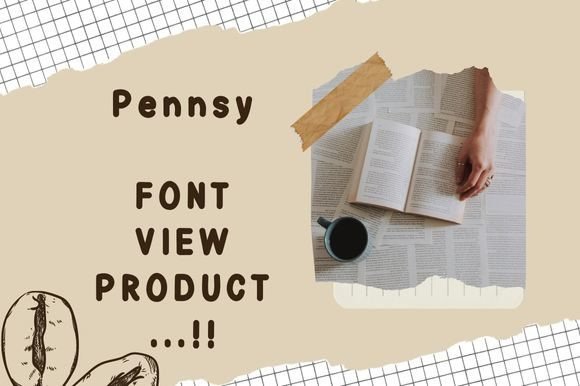
Pennsy: A Display Font That Adds Charming Personality to Your Designs
Pennsy is a display font that stands out with its quirky, fun, and innovative design. While it may appear unconventional or even a little “weird” at first glance, this typeface has a unique appeal that can elevate your creative projects in unexpected ways. Whether you're designing invitations, logos, packaging, or editorial content, Pennsy offers a distinct visual identity that captures attention and conveys emotion.
What Makes Pennsy Strategically Useful?
In the world of design, fonts are more than just tools for readability—they are strategic elements that influence perception, engagement, and brand recognition. Pennsy’s charm lies in its ability to add personality where it matters most. Its playful yet elegant curves make it ideal for brands or creators aiming to communicate warmth, whimsy, or a touch of romance.
This font is particularly useful for those who want to differentiate their work from the standard sans-serif and serif options. When used thoughtfully, Pennsy can help establish an emotional connection with your audience by reflecting a sense of creativity and individuality.
Use Cases Where Pennsy Shines
- Wedding Invitations: Pennsy brings a romantic and charming flair to wedding stationery, helping set a warm and personal tone.
- Brand Logos: For businesses targeting a younger, trend-conscious demographic, Pennsy can serve as a memorable logo element.
- Editorial Design: In magazines, books, or blogs focused on lifestyle, fashion, or beauty, Pennsy adds a distinctive style that enhances visual storytelling.
- Packaging & Labels: Use Pennsy to create eye-catching product labels or packaging that stand out on shelves and convey a sense of care and quality.
- Stationery & Branding Kits: From business cards to letterheads, Pennsy can be integrated into branding materials to create a cohesive and stylish look.
Strategic Planning with Pennsy
To maximize the impact of Pennsy, it's important to consider how it fits into your overall design strategy. This means aligning its aesthetic with your project’s goals and target audience. Here are some practical tips to guide your planning process:
- Define Your Purpose: Ask yourself what message you want to send. Is it about playfulness, elegance, or something else? Pennsy works best when it supports your intended tone.
- Assess Readability Needs: While Pennsy is visually engaging, it may not be suitable for long paragraphs or small print. Reserve it for headlines, accents, or short text blocks.
- Pair It Thoughtfully: Combine Pennsy with complementary fonts that balance its eccentricities. A clean sans-serif or minimalist serif can ground the design while letting Pennsy shine.
- Consider Context: Evaluate the environment in which your design will be viewed. If it’s digital, ensure Pennsy displays well across devices. If it’s print, test different weights and sizes to maintain clarity.
Real-World Applications
Imagine you’re launching a new skincare line targeting millennials and Gen Z. You want your packaging to feel modern yet approachable. Using Pennsy for key phrases like “Glow Naturally” or “Pure Radiance” introduces a soft, handcrafted vibe that resonates with your audience’s values.
Or picture a boutique hotel promoting a cozy, personalized experience. Pennsy could be used in promotional brochures or signage for amenities, such as “Relax & Unwind,” to evoke a sense of comfort and charm.
Positioning Pennsy Within Your Creative Workflow
Fonts like Pennsy are powerful tools in positioning your brand or message in a crowded market. They help shape perceptions and guide user experience. However, they must be used intentionally to avoid overwhelming your audience or diluting your message.
When integrating Pennsy into your workflow, start by defining the hierarchy of information. Will it be used for primary headings, subheadings, or decorative elements? Each choice affects how viewers interact with your content.
For instance, if you're creating a menu for a café, using Pennsy for dessert names can add a delightful touch, but using it for pricing might confuse customers. Always prioritize legibility and usability alongside aesthetics.
Planning Tips for Effective Integration
- Limit the use of Pennsy to one or two sections per design to avoid visual clutter.
- Test it in both light and dark backgrounds to see how it performs under different conditions.
- Use it sparingly in digital interfaces to maintain performance and accessibility standards.
- Consider licensing and usage rights before deploying Pennsy in commercial projects.
When to Avoid Pennsy—And Why
Despite its versatility, Pennsy isn’t always the right choice. There are situations where its stylized form might hinder rather than enhance your communication:
- If your project requires high levels of readability (e.g., legal documents, instructional guides), Pennsy is not appropriate.
- When targeting a formal or professional audience (e.g., corporate reports, academic papers), opt for more traditional typography.
- On platforms where loading speed and file size matter, such as mobile apps or websites with strict performance metrics, evaluate whether Pennsy meets these requirements.
The key takeaway is that Pennsy should complement—not compete with—your message. Without clear context and purpose, even the most charming fonts can become distractions.
Risks of Overusing Pennsy
Using Pennsy without a strategic plan can lead to several risks:
- Reduced Legibility: The ornate nature of Pennsy may make it difficult to read at smaller sizes or in poor lighting conditions.
- Confused Messaging: If your goal is to appear serious or authoritative, Pennsy’s whimsical style could undermine that impression.
- Design Fatigue: Relying too heavily on one font can reduce the visual diversity of your content, leading to a less dynamic user experience.
How to Use Pennsy Intentionally
Intentional use of Pennsy begins with understanding your audience and the psychological impact of typography. Consider the following strategies:
- Align With Brand Voice: If your brand is known for being fun and creative, Pennsy can reinforce that image. But if your brand is more traditional, it may not fit unless used very selectively.
- Enhance Visual Storytelling: In editorial content or marketing campaigns, Pennsy can highlight quotes, call-to-action buttons, or key messages to draw the reader’s eye.
- Optimize for Accessibility: Ensure there’s enough contrast between Pennsy and background colors so that it remains accessible to all users, including those with visual impairments.
Decision-Making Guidance
Before committing to Pennsy in any project, ask yourself these questions:
- Does this font support the tone I want to convey?
- Will it remain legible across all formats and platforms?
- Am I using it to solve a specific design problem or simply because it looks cute?
Answering these honestly ensures that your use of Pennsy is purposeful and contributes to your overall design objectives.
Long-Term Value and Creative Growth
Fonts are part of a designer’s toolkit, and choosing the right one can have lasting benefits. Pennsy, when applied correctly, can become a signature element of your creative output, helping you build a recognizable and consistent style over time.
As your brand or portfolio evolves, you may find new ways to incorporate Pennsy. Perhaps it becomes a go-to choice for seasonal promotions, holiday cards, or limited-edition products. By treating it as a strategic asset rather than a novelty, you open up opportunities for meaningful creative growth.
Examples of Long-Term Integration
- A bakery uses Pennsy in its holiday catalogues and eventually adopts it as a core part of its seasonal branding.
- An indie author selects Pennsy for chapter titles in a series of romantic novels, building a loyal readership drawn to the consistent and appealing aesthetic.
- A fashion label incorporates Pennsy into its runway lookbooks and later extends it to social media captions and influencer collaborations.
Conclusion: Let Pennsy Work for You
Pennsy is more than just a pretty font—it’s a tool that can help you express your brand’s character and engage your audience emotionally. However, its success depends on thoughtful application and alignment with your strategic goals. When used intentionally, Pennsy can bring charm, cuteness, and uniqueness to your designs, supporting everything from customer experience to long-term brand identity.
Remember, every design decision should be made with purpose. Pennsy is no exception. Take the time to understand its strengths and limitations, and you’ll find it becomes a valuable asset in your creative arsenal.