Ruby: The Elegant Display Font for Unique Typography
Typography is more than just arranging letters—it's about crafting an impression, evoking emotion, and enhancing visual communication. When it comes to making a bold typographic statement, the Ruby font stands out as a versatile and elegant choice. Designed with creativity in mind, Ruby offers a unique aesthetic that can elevate everything from branding projects to magazine headers. In this article, we’ll explore what makes Ruby special, where it shines, and how you can use it effectively in your own work.
What Is Ruby?
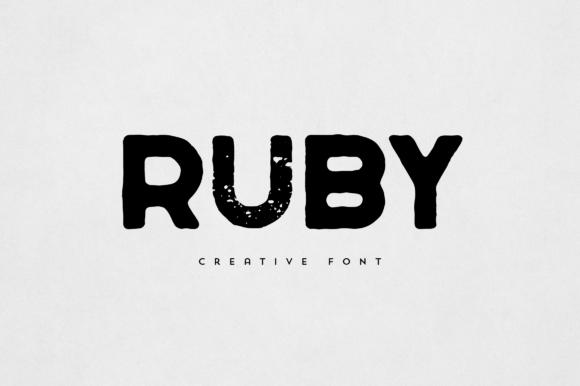
Ruby is a display font characterized by its refined curves, balanced proportions, and subtle personality. Unlike standard sans-serif or serif fonts used for body text, Ruby is crafted specifically for larger sizes and impactful presentations. Its design blends modernity with classic appeal, resulting in a typeface that feels both fresh and timeless.
Display fonts like Ruby are not intended for long passages of text but rather for headlines, logos, posters, and other visual elements where typography plays a central role. It’s ideal for designers who want their message to be seen clearly and remembered vividly.
Key Features of Ruby
- Elegant Aesthetics: With soft edges and graceful letterforms, Ruby brings a sense of sophistication to any design.
- Versatility: Though primarily a display font, Ruby works well in various contexts, including product packaging and home décor.
- Readability at Larger Sizes: Its structure ensures clarity when used in large formats, such as billboards or website headers.
- Unique Character Set: Ruby includes distinctive glyphs that add character without overwhelming the reader.
Where Can You Use Ruby?
Ruby is particularly well-suited for projects where first impressions matter. Here are some common applications:
Branding Projects
Whether you're launching a new business or rebranding an existing one, the right font can define your brand’s identity. Ruby adds a touch of class and originality, making it perfect for logo design, taglines, and branded assets. Its clean yet expressive style helps communicate professionalism while standing apart from generic fonts.
Home-Ware and Product Packaging
Products sold in home décor, fashion, or gourmet food industries often rely on strong visual identities. Ruby’s versatility allows it to complement minimalist designs or vibrant illustrations alike. It can make product names pop on labels, tags, and promotional materials, helping attract attention in a crowded marketplace.
Magazine Headers and Editorial Design
Editorial content needs to capture readers’ interest quickly. Using Ruby for magazine covers, section headers, or pull quotes gives a publication a stylish edge. It works especially well when paired with simpler supporting fonts, creating a harmonious contrast that guides the reader through the layout.
Text Overlays on Background Images
In digital marketing, social media, and web design, overlaying text on images is a powerful technique. Ruby’s high legibility and visual appeal ensure that messages remain clear and compelling, even when placed over complex or colorful backgrounds. This makes it a go-to option for creators working with image-based content platforms like Instagram, Pinterest, or YouTube thumbnails.
Who Can Benefit from Ruby?
Ruby is not just for professional designers—its usability extends to a wide range of individuals and businesses:
- Creative professionals: Graphic designers, illustrators, and art directors looking for a premium display font.
- Business owners: Entrepreneurs wanting to differentiate their brand visually.
- Content creators: Bloggers, vloggers, and social media managers seeking eye-catching text for posts.
- Marketing teams: Those responsible for promotional campaigns and advertising visuals.
- Students and educators: For creative assignments or educational materials that need a stylistic flair.
Real-World Scenarios
Here are some practical examples of where Ruby has been successfully used:
- A boutique coffee shop uses Ruby for its logo and menu headings, giving it a warm, artisanal feel.
- An independent book publisher selects Ruby for cover titles and chapter headings to create a literary ambiance.
- A wedding planner incorporates Ruby into invitations and signage to convey elegance and personalization.
- A travel blog overlays Ruby on scenic photographs to highlight destination names and key phrases.
Strengths of Ruby
The strengths of Ruby lie in its balance between beauty and functionality. Some of the main advantages include:
- Visual Distinction: Ruby helps your design stand out without sacrificing readability.
- Wide Applicability: It fits seamlessly into multiple design genres—from modern to vintage-inspired aesthetics.
- Strong Brand Association: The font’s unique look fosters brand recognition and loyalty when used consistently.
- Adaptability: Available in different weights or styles (if applicable), Ruby can be tailored to suit specific project needs.
Considerations and Limitations
While Ruby is a powerful tool, it’s important to understand its limitations to use it effectively:
- Not suitable for body text: Due to its display nature, using Ruby for lengthy paragraphs may reduce readability.
- Requires thoughtful pairing: To avoid clashing, it should be matched with complementary fonts that provide contrast.
- Licensing matters: Before using Ruby in commercial projects, verify the licensing terms to ensure compliance.
- May not work in all contexts: Avoid using it in low-resolution environments or very small print, where details might become lost.
How to Choose Ruby for Your Project
Deciding whether Ruby is the right fit for your project depends on several factors:
1. Define the Purpose
Ask yourself if the font will serve as a headline, title, or accent element. If your goal is to create a memorable visual impact, Ruby is a strong candidate.
2. Consider the Audience
Fonts speak to people in different ways. Ruby’s elegant style resonates well with audiences seeking quality, creativity, or luxury. It may not be the best choice for informal or highly technical contexts.
3. Evaluate the Context
Look at the surrounding elements of your design. Will Ruby clash with colors, images, or other fonts? Test it in different settings to see how it performs.
4. Check Technical Requirements
If you’re designing for digital platforms, ensure Ruby supports the necessary characters and languages. Also, consider file size and loading performance, especially for websites or mobile apps.
5. Experiment with Pairings
Ruby pairs well with simple, neutral fonts that let it shine without competing. Try combinations with fonts like Helvetica, Roboto, or Lato to find the right balance.
Practical Expectations When Using Ruby
Using Ruby in your design doesn’t mean instant success—but it does mean you have a strong foundation to build on. Here’s what to expect:
- Positive reactions: Users and clients often notice the visual appeal of Ruby and appreciate its uniqueness.
- Increased engagement: In marketing and editorial contexts, Ruby can help draw attention to key messages.
- Need for refinement: Like any display font, Ruby may require fine-tuning for spacing, color, and alignment to look its best.
- Consistency is key: Use Ruby sparingly and consistently to maintain a cohesive design across all materials.
Tips for Working with Ruby
To get the most out of Ruby, here are some expert tips:
- Use appropriate sizing: Display fonts like Ruby should always be used in larger sizes to showcase their features.
- Limit the number of lines: Keep text concise to preserve the font’s impact. Long lines may dilute its effectiveness.
- Play with color and contrast: Ruby looks stunning in gold, black, or white depending on the background. Don’t hesitate to experiment.
- Complement with imagery: Pair it with high-quality photos or illustrations that enhance its aesthetic rather than compete with it.
- Test across devices: Ensure that Ruby renders well on screens of varying sizes and resolutions.
When Not to Use Ruby
Despite its many strengths, Ruby isn't a universal solution. Avoid using it in situations where:
- You need a font for extended reading (e.g., novels, reports, or articles).
- Legibility is paramount in small sizes (e.g., footnotes, captions, or form fields).
- There are strict brand guidelines that favor minimalism or traditional typography.
- You’re designing for accessibility and require high readability at all times.
Final Thoughts
Ruby is more than just a font—it’s a design asset that can transform your visual storytelling. Whether you're creating a logo, designing a poster, or adding flair to a website, Ruby offers a blend of elegance and adaptability that few fonts can match. However, like any tool, it requires understanding and intention to use it correctly.
Before finalizing your project, take time to test Ruby in real-world conditions. Observe how it interacts with your design elements and adjust accordingly. With the right approach, Ruby can become a signature part of your creative process.
Remember, the best typography is one that serves the purpose and speaks to the audience. So next time you’re looking for a display font that combines style with substance, consider Ruby as a standout option.