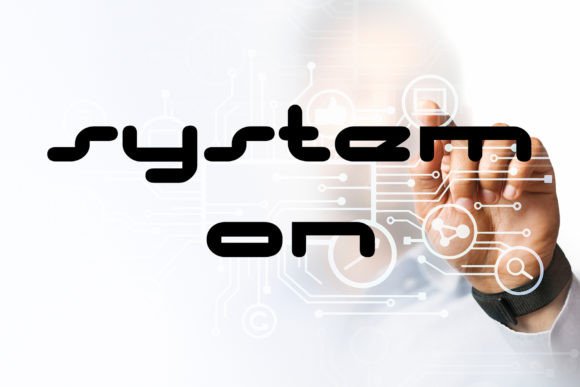
System On: A Futuristic Font for Modern Design Needs
In the world of typography, finding a font that balances aesthetics with functionality can be challenging. System On stands out as a display font that delivers both — combining a futuristic look with surprising versatility. Designed to evoke the sleek, high-tech feel of digital interfaces and sci-fi visuals, it has found its way into various design projects where innovation and clarity are key. Whether you're creating marketing materials, branding assets, or editorial designs, understanding when and how to use System On can enhance your work in meaningful ways.
What Is System On?
System On is a modern display font inspired by the clean lines and geometric precision of digital systems and user interfaces. Its name suggests a state of readiness and activation, which aligns well with its visual character — crisp, bold, and unapologetically forward-looking. Unlike many fonts that lean heavily into retro or ornate styles, System On takes cues from contemporary technology, making it ideal for contexts where a sense of progress and modernity is desired.
Developed for designers who need something beyond standard sans-serif or serif options, System On brings a unique personality to text without compromising legibility. It's particularly effective for headlines, titles, and short-form text where impact matters most.
Key Characteristics and Design Elements
Several features define System On’s appeal:
- Geometric Structure: The characters are built on precise angles and shapes, reminiscent of UI elements and tech-inspired visuals.
- High Contrast: Thick strokes contrast with thin parts of letters, adding dynamism and visual interest.
- Bold Weight Options: Available weights provide flexibility for different applications, from subtle background text to dominant focal points.
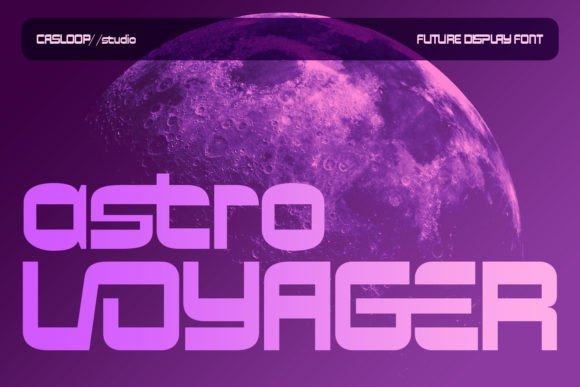
- Sci-Fi Vibe: Its aesthetic naturally fits themes around technology, space, futurism, and innovation.
Despite its stylized appearance, System On maintains enough structure and spacing to remain readable at larger sizes. This makes it suitable for signage, app interfaces, and even print media like posters and brochures where attention-grabbing typography is essential.
Purpose and Practical Value
The primary purpose of System On is to serve as a strong visual element in design compositions. It’s not meant for long blocks of body text but excels in drawing the eye and reinforcing a brand’s message through style. For example, a startup focused on AI solutions might use System On in their logo or website headers to communicate cutting-edge expertise and vision.
This font also works well in motion graphics, infographics, and social media content where quick readability and visual pop are important. In these settings, System On helps maintain a professional yet imaginative tone that resonates with tech-savvy audiences.
Who Can Benefit Most from Using System On?
System On is especially valuable for professionals working in the following fields:
- Graphic Designers: Those needing a distinctive typeface for presentations, websites, or branding materials.
- Marketing Teams: Especially for campaigns targeting younger demographics or industries like gaming, software, and emerging technologies.
- Entrepreneurs and Startups: Looking to establish a modern, innovative identity for their business or product.
- Content Creators: Including YouTubers, bloggers, and podcasters who want to elevate the visual aspect of their content.
- App Developers and UX/UI Designers: Seeking fonts that align with digital environments while maintaining typographic integrity.
Its broad appeal means it can also be used creatively in education, publishing, and event promotions where a fresh, engaging visual language is beneficial.
Real-World Performance and Usability
When evaluating a font for usability, several factors come into play — including screen readability, print quality, and cross-platform compatibility. System On performs admirably in digital formats, especially on high-resolution displays where its sharp edges and consistent stroke weight shine. However, when using it in print, designers should consider the paper quality and printing method to ensure the fine details remain intact.
In responsive web design, System On adapts well to varying screen sizes due to its open letterforms and balanced proportions. When paired with appropriate line spacing and color choices, it enhances user experience without overwhelming the reader. That said, overuse of this font on a single page could lead to visual fatigue, so it’s best reserved for strategic emphasis rather than full-text application.
Strengths and Limitations
One of the greatest strengths of System On is its ability to stand out. In a sea of conventional typefaces, it offers a bold alternative that communicates creativity and technological advancement. Additionally, it pairs effectively with softer, more traditional fonts, allowing for a dynamic typographic hierarchy.
However, there are limitations to consider. As mentioned earlier, its geometric nature may make it unsuitable for extended reading passages. Also, while it works beautifully in English, users should verify how it renders in other languages or scripts before committing to a multilingual project. Lastly, due to its edgy and unconventional style, it may not align with all brand identities — particularly those seeking a classic or minimalist aesthetic.
Flexibility and Long-Term Value
Flexibility is one of the core values behind System On. With multiple weights and stylistic variations available, it allows designers to tailor the font to specific needs. For instance, a lighter version might suit a website header, while a bolder variant could anchor a poster or infographic.
From a long-term perspective, System On is a font that remains relevant in evolving design trends. Its roots in digital aesthetics mean it won’t feel outdated quickly, and its clean construction ensures it integrates smoothly with modern tools and platforms. For freelancers and small studios, investing in System On can offer a competitive edge by enabling them to produce visually striking work across diverse client portfolios.
Examples of Effective Use
Consider a few real-world scenarios where System On adds value:
- Product Launches: A tech company launching a new smartwatch uses System On in promotional videos and landing pages to emphasize the product’s modern design and advanced features.
- Event Branding: A science and innovation conference adopts System On for banners, speaker introductions, and digital signage to create an immersive futuristic atmosphere.
- Social Media Campaigns: A fashion brand introduces a “Techwear” collection, using System On in Instagram posts and TikTok videos to highlight the blend of style and function.
- Editorial Design: A magazine issue about artificial intelligence and space exploration features System On in subheadings and pull quotes to reinforce the theme.
These examples show how the font can adapt to different mediums and purposes while staying true to its identity. It’s not just about looking cool — it’s about enhancing communication through thoughtful design.
Recommendations for Best Results
To maximize the effectiveness of System On, follow these practical guidelines:
- Use Sparingly: Apply it to headlines, logos, and call-to-action buttons rather than large paragraphs.
- Pair Thoughtfully: Combine it with complementary fonts such as clean sans-serifs (like Helvetica Neue or Montserrat) to balance the composition.
- Test Across Devices: Ensure it looks good on mobile screens, tablets, and desktop monitors, adjusting size and spacing as needed.
- Stay Consistent: If using it in a multi-page design or across a brand, maintain consistency in usage to avoid confusion.
- Check Licensing: Confirm the font license supports your intended use case, especially if you plan to distribute it publicly or embed it in apps.
By applying these principles, you’ll get the most out of System On while ensuring your design remains accessible and professional.
How to Acquire and Integrate System On
System On is typically available through font marketplaces like Adobe Fonts, Google Fonts, or private foundries. Before purchasing or downloading, review the licensing terms to understand how it can be used commercially or personally. Many platforms offer free trials or limited-use versions to test the font before commitment.
Integration is straightforward in most design software, including Adobe Creative Suite, Figma, Sketch, and Canva. Once installed, you can experiment with layer effects, gradients, and animations to further customize its appearance. For developers, embedding the font in web projects requires linking to the correct CSS file or using a font loader service.
Final Thoughts
System On is more than just a trendy typeface — it’s a tool that can help communicate innovation, clarity, and confidence in design. Its geometric structure and bold presence make it a compelling choice for projects where visual impact is essential. While it isn't a one-size-fits-all solution, it shines brightest when used intentionally and strategically.
If your audience values modernity, and your project benefits from a strong, futuristic typographic statement, then System On is worth considering. As always, the right font depends on context, purpose, and presentation — but in the right setting, System On can transform ordinary text into an extraordinary visual element.